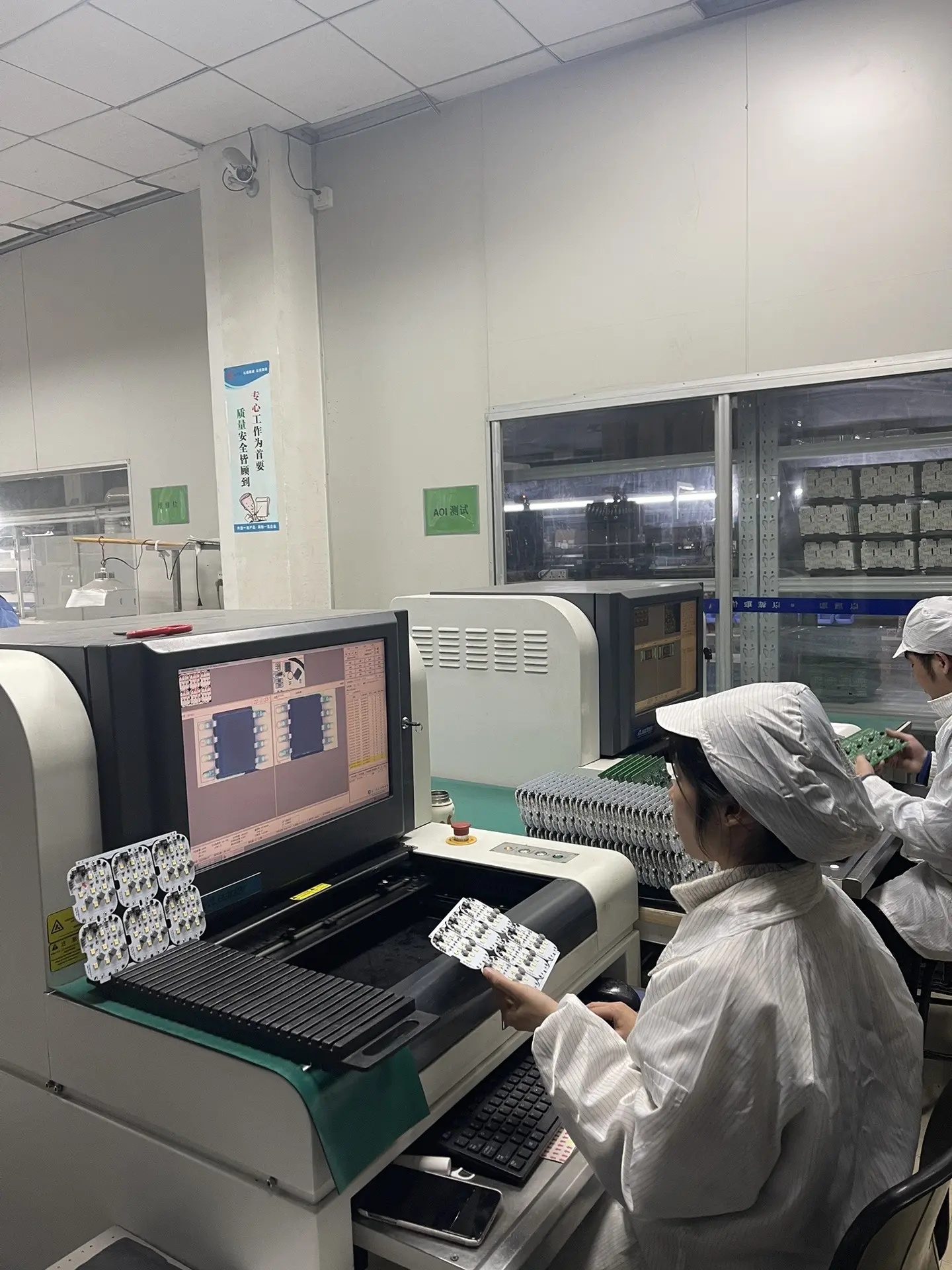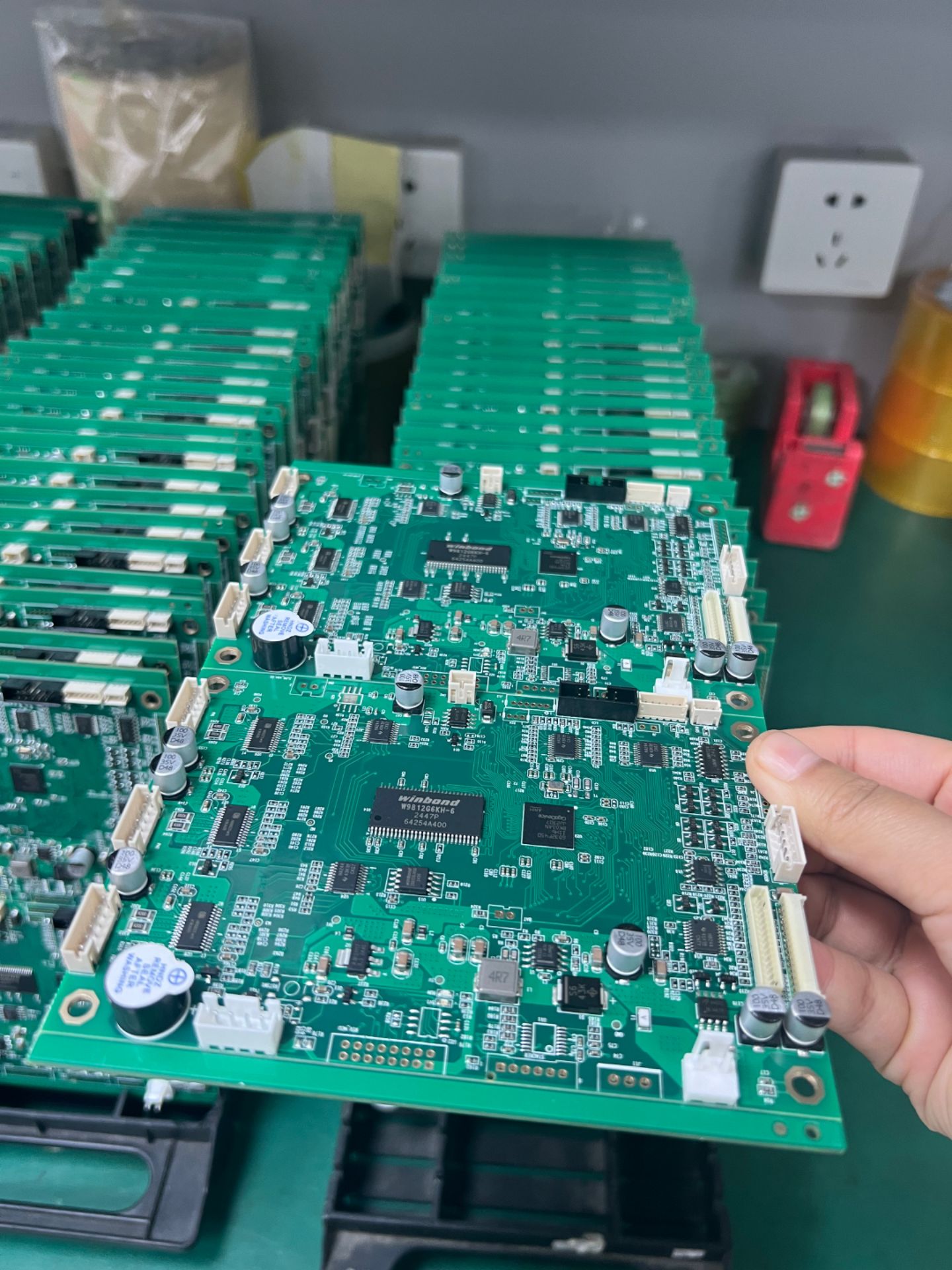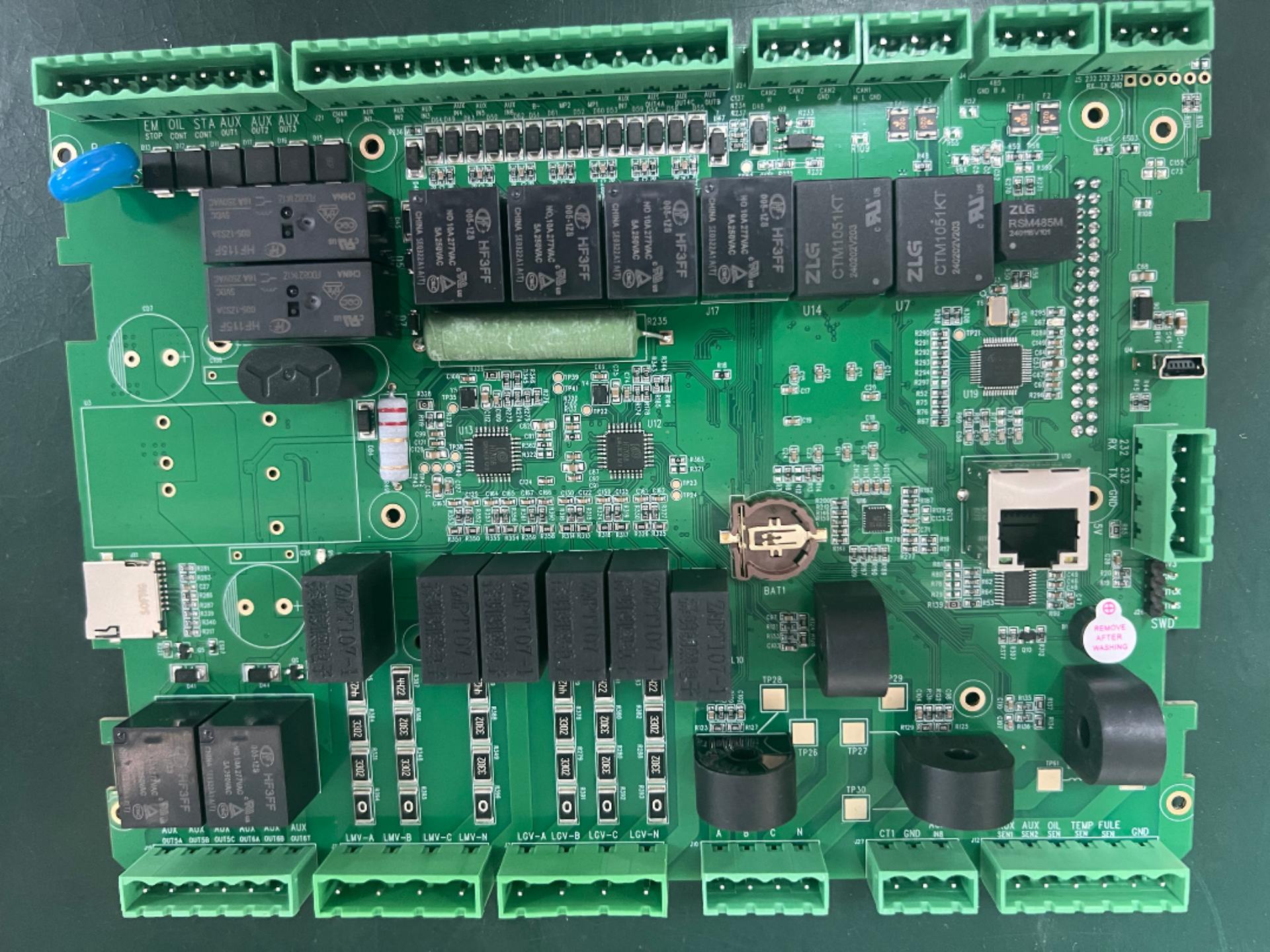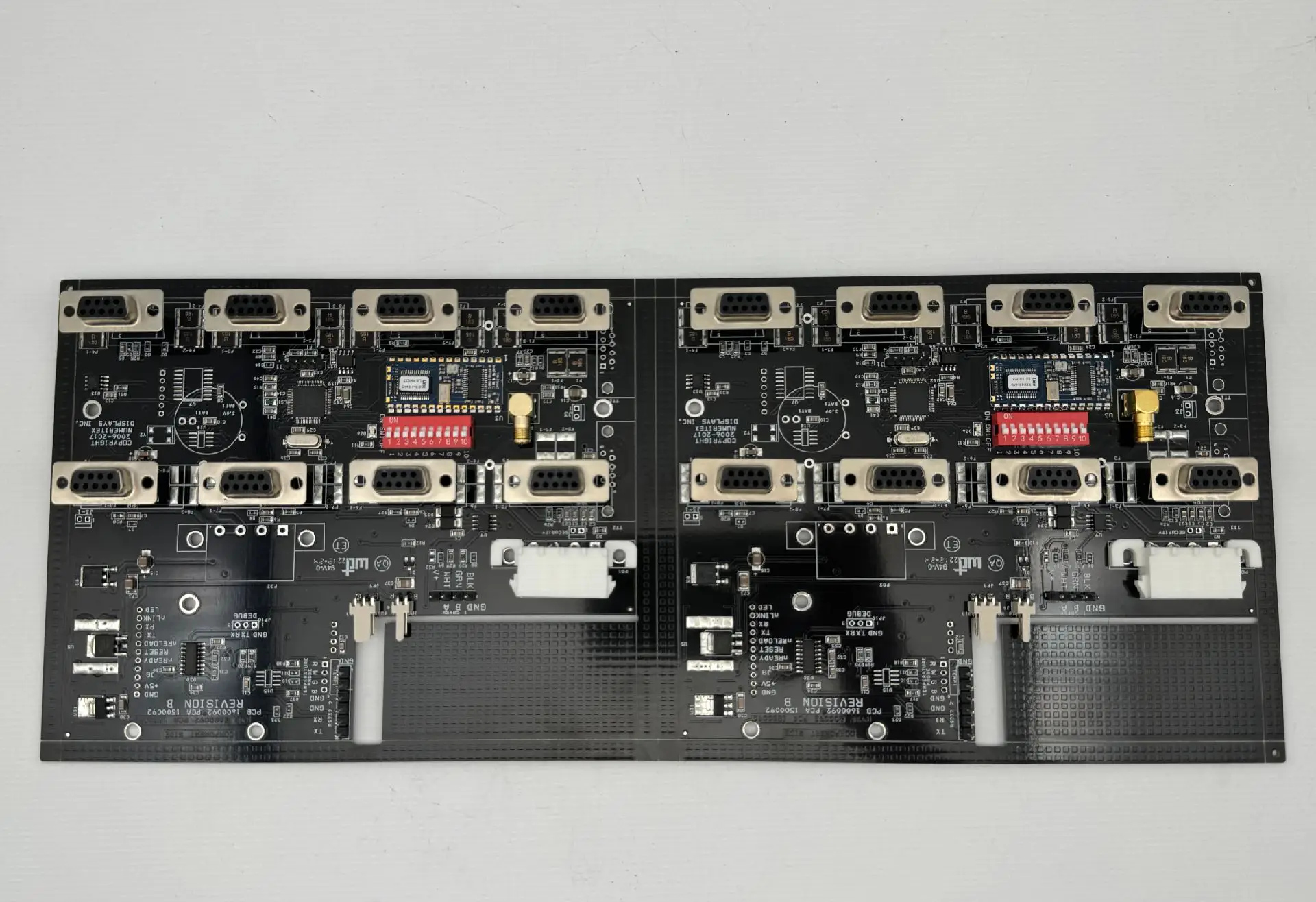
Clients often ask: "What factors actually affect the price of a PCB?" Today, let’s systematically break down the key cost drivers behind PCB quoting, so you can better balance performance and budget right at the design stage.
1️⃣ Base Material & Substrate
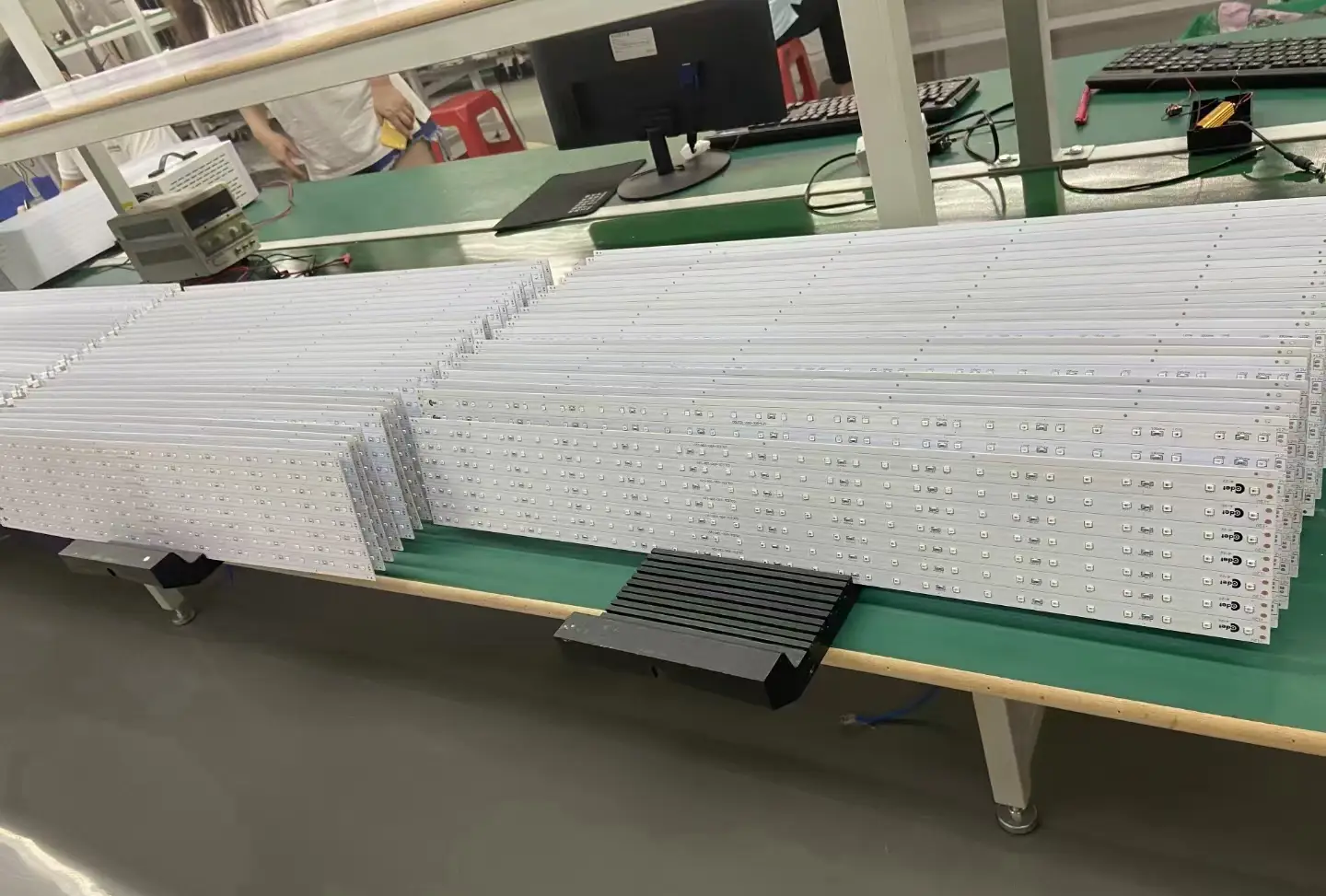
Standard FR-4 is the most economical. High-Tg, halogen-free, high-frequency / high-speed materials (e.g., Rogers), and metal-core boards (aluminum/copper) significantly increase costs. Brand-name laminates also command a premium.
More layers mean repeated lamination, inner-layer imaging, and registration steps. Costs multiply accordingly. Hybrid / mixed-material stack-ups will also add extra charges.
3️⃣ Copper Thickness
Standard 1 oz (35 μm) serves as the baseline. Heavy copper like 2 oz or 3 oz makes etching and plating more difficult and time-consuming, driving up costs noticeably.
4️⃣ Trace Precision
Fine lines and spaces below 4/4 mil demand higher equipment capability and hit yield rates. Impedance control, which requires design compensation and additional testing, further increases the price.
5️⃣ Drilling
Holes smaller than 0.3 mm require laser drilling, which is more expensive than mechanical drilling. A higher hole count and a larger aspect ratio (e.g., >16:1) make plating much more challenging, affecting both yield and cost.
6️⃣ Surface Finish
A rough price ranking from low to high: HASL (leaded) → lead-free HASL → OSP → immersion silver/tin → ENIG (electroless nickel immersion gold) → hard gold plating. Gold thickness and selective plating also directly impact the final cost.
Green is the most affordable. Colors like black, blue, red, and matte finishes typically add a surcharge. Special legend colors require custom ink mixing.
8️⃣ Outline & Panelization
Simple rectangular outlines are the cheapest. Irregular shapes and extensive internal routing increase milling time. For panelization, V-scoring is more economical than mouse-bites; tooling rails and fiducial marks increase material waste.
9️⃣ Special Processes
Blind & buried vias, via-in-pad (VIP), castellated holes, gold-finger beveling, carbon ink, peelable solder mask – each of these is a separate cost adder.
🔟 Tolerances & Quality Class
Stricter requirements for board thickness, trace width, and hole-position accuracy demand slower production speeds and 100% inspection. IPC Class 3 imposes tighter requirements on hole-wall copper and cleanliness compared to Class 2, leading to higher costs.
1️⃣1️⃣ Testing & Reports
Flying probe testing has no fixture cost and suits prototypes; a dedicated test fixture is an extra upfront expense. Full testing costs more than sample testing. Reports like impedance test reports and microsection analysis add additional fees.
Prototype unit prices are the highest, small-batch orders are lower, and mass production achieves the lowest cost after spreading NRE. Expedited lead times incur rush-order charges. Additional requirements like vacuum anti-static packaging also add to the total.
Understanding these factors allows you to manage costs more accurately from the very start of a project. If you're selecting PCBs or evaluating a quotation, feel free to reach out – happy to discuss the best solution.