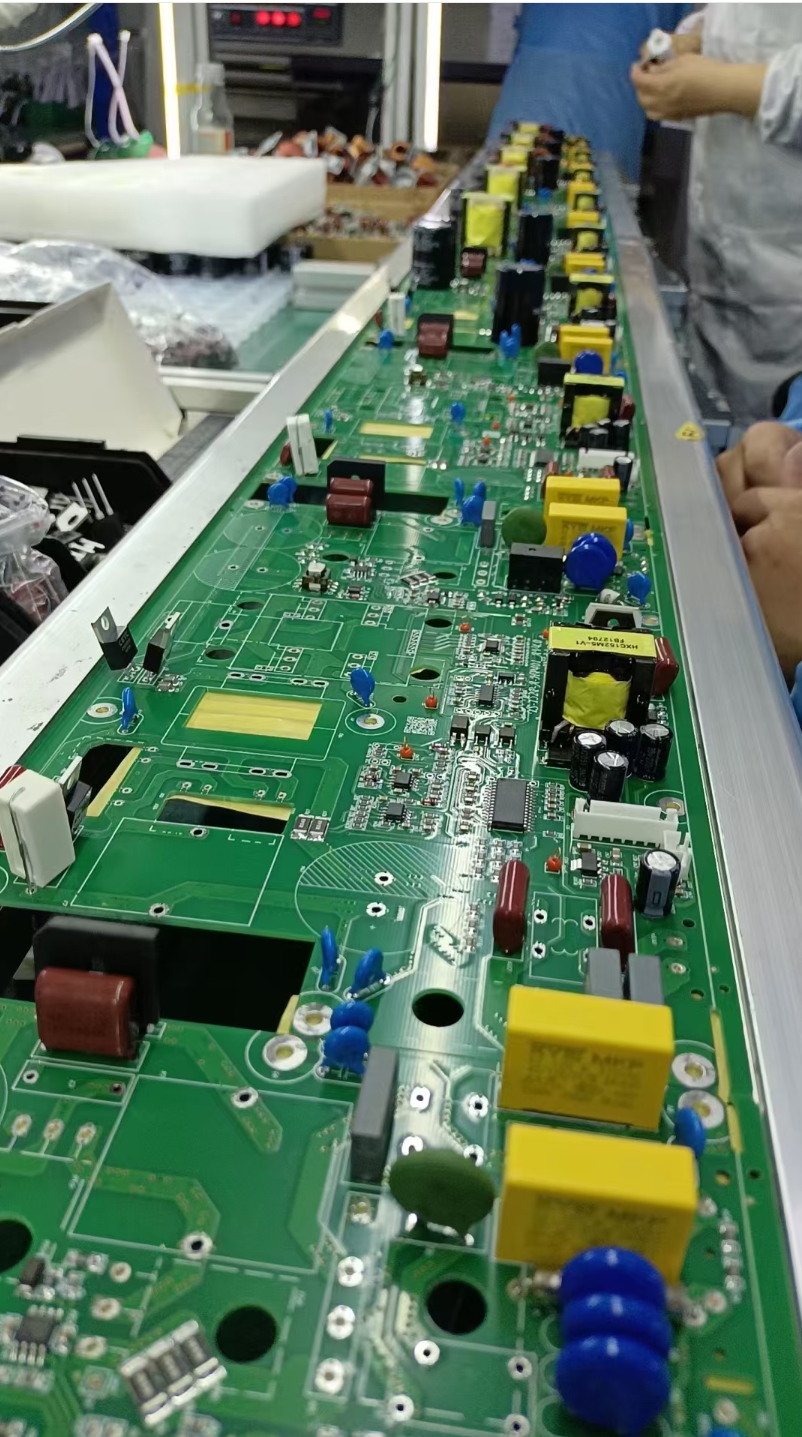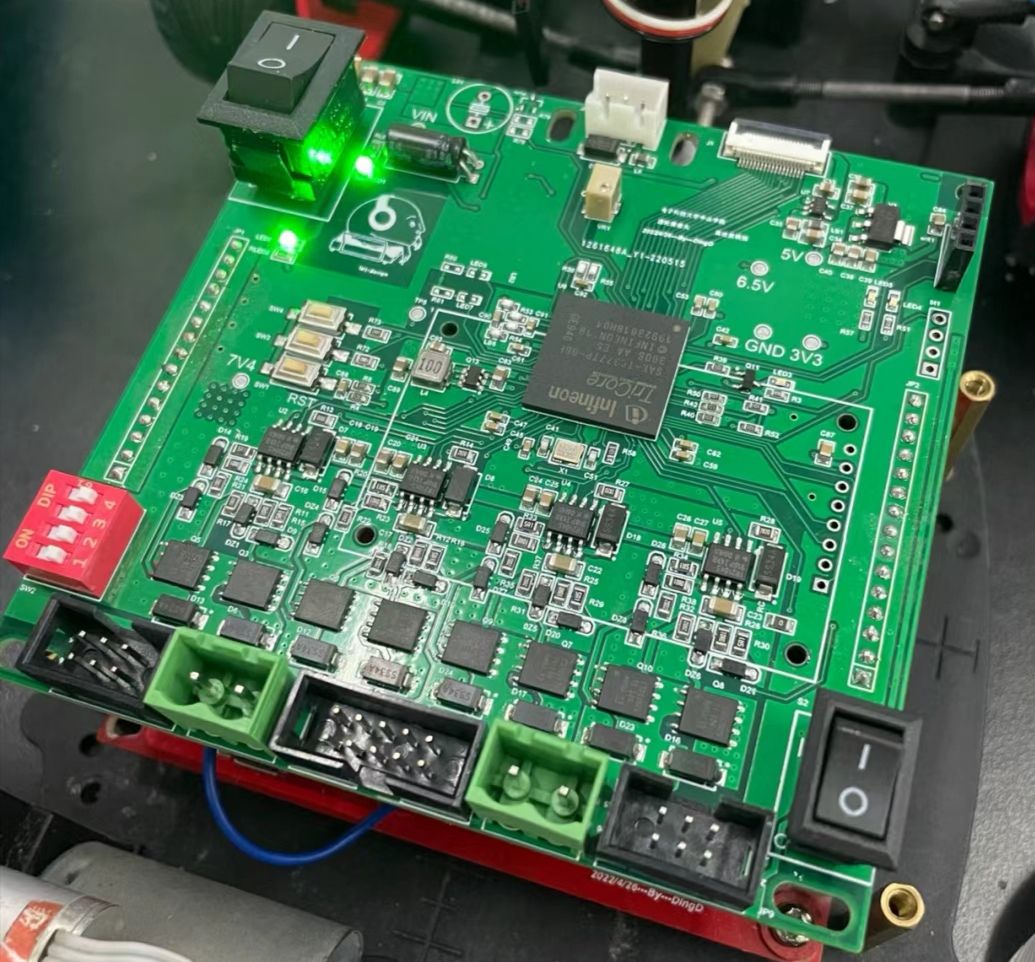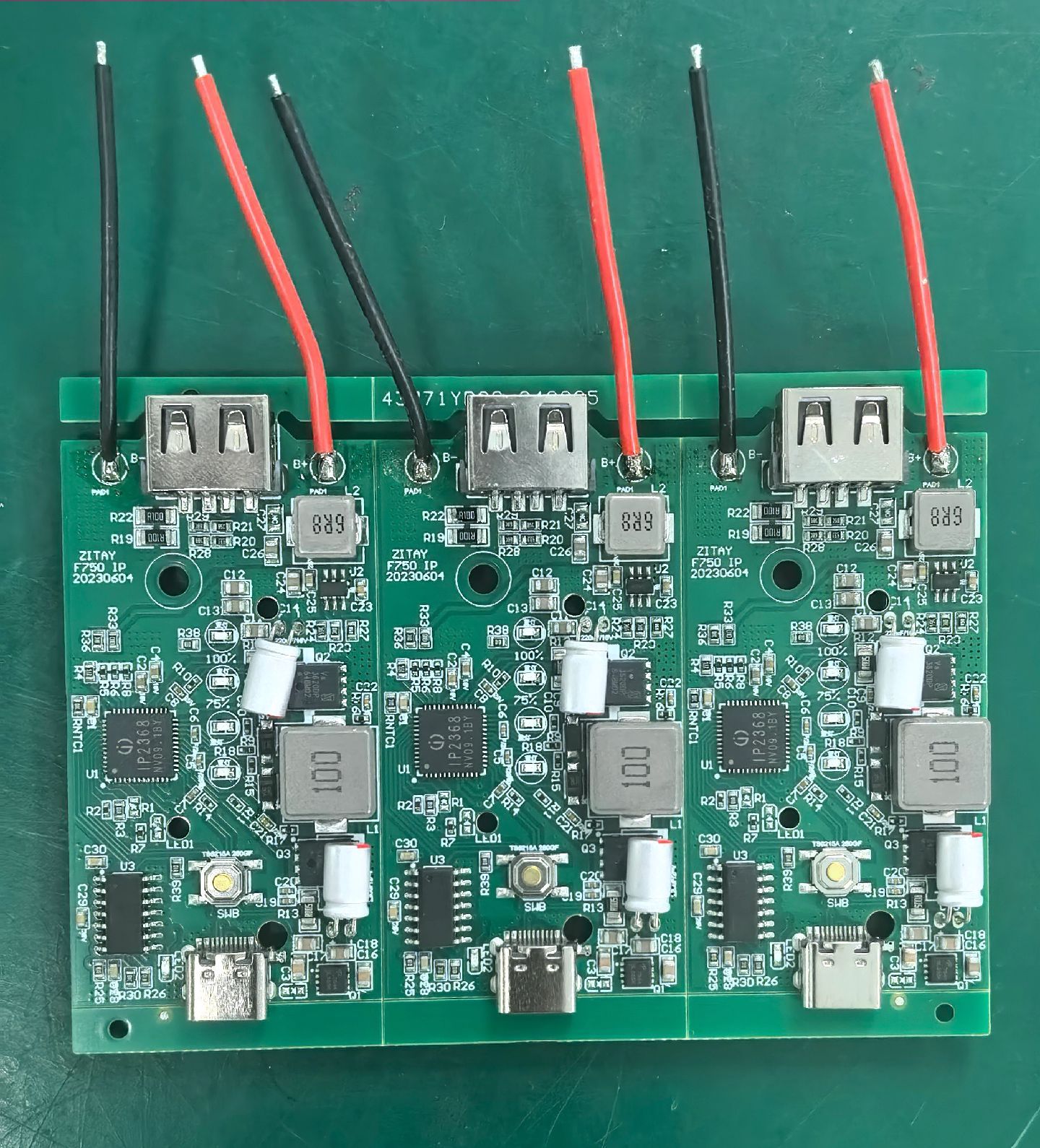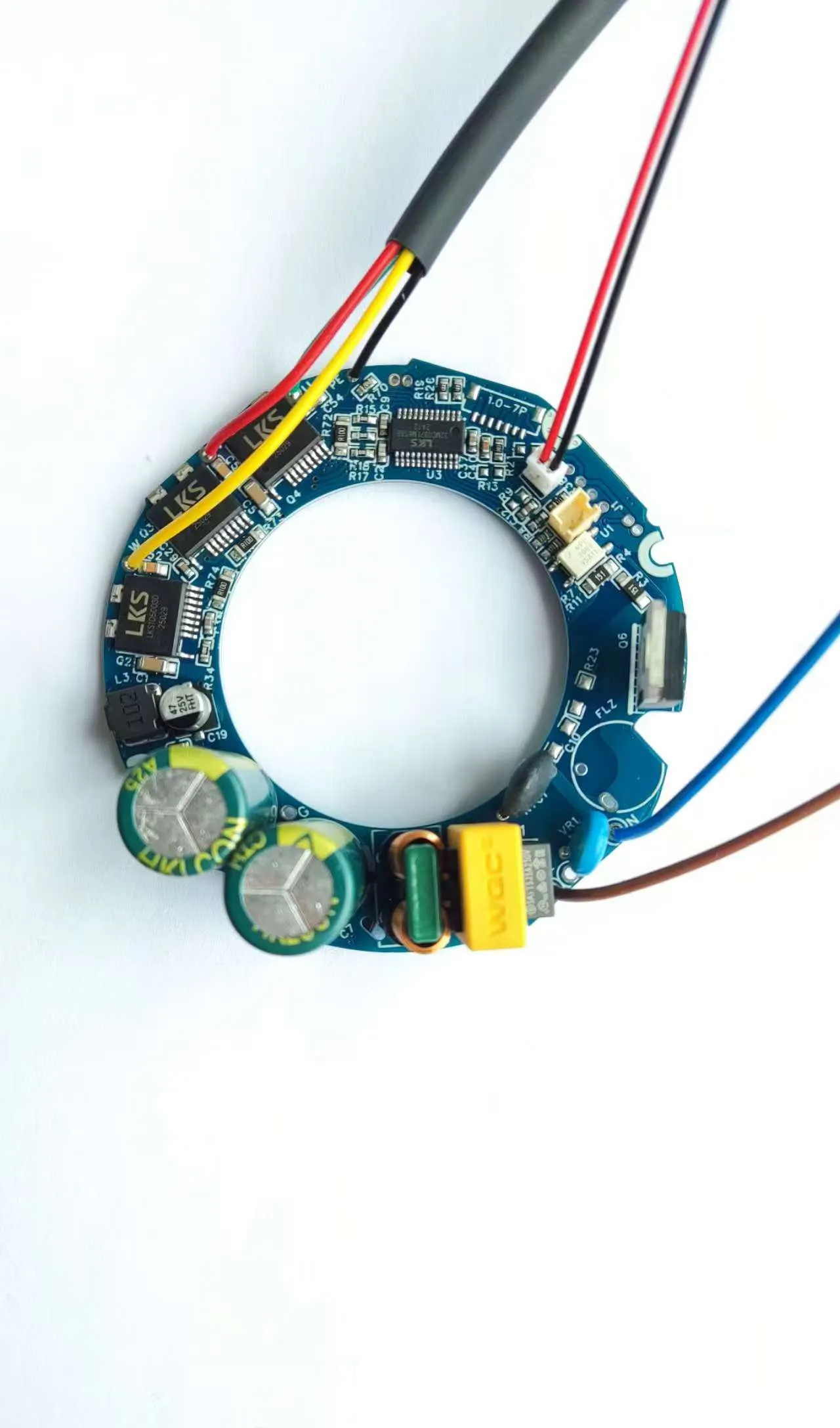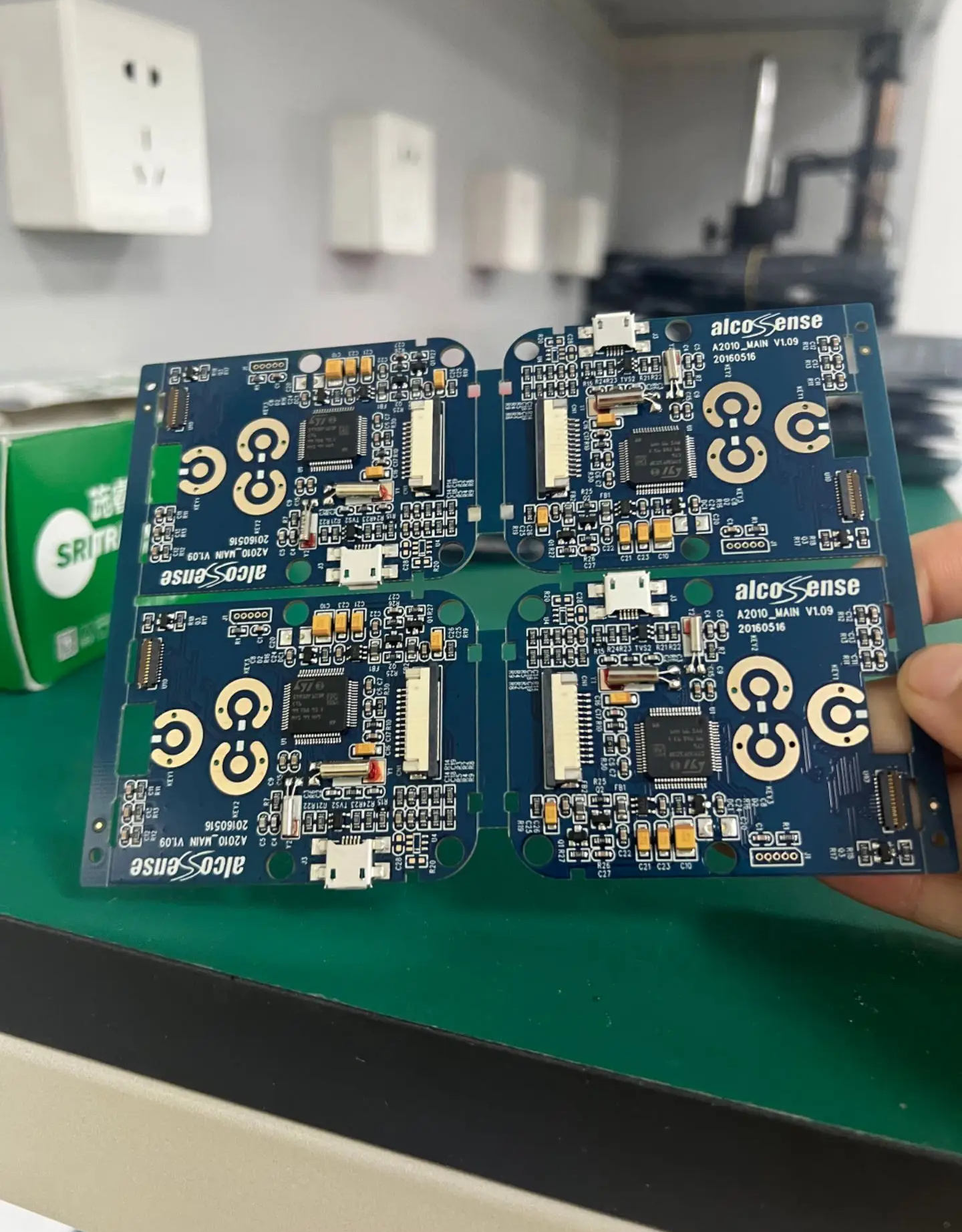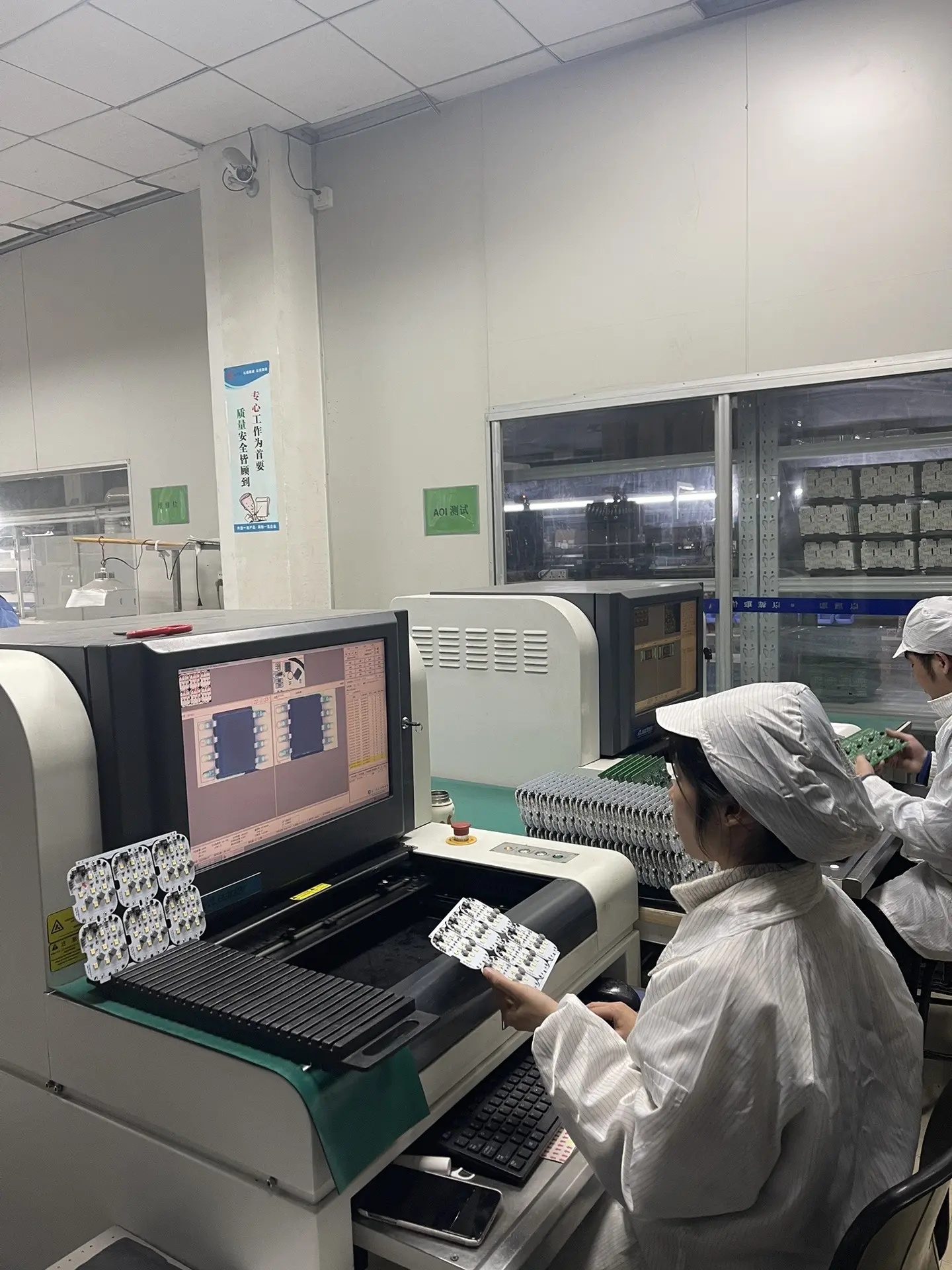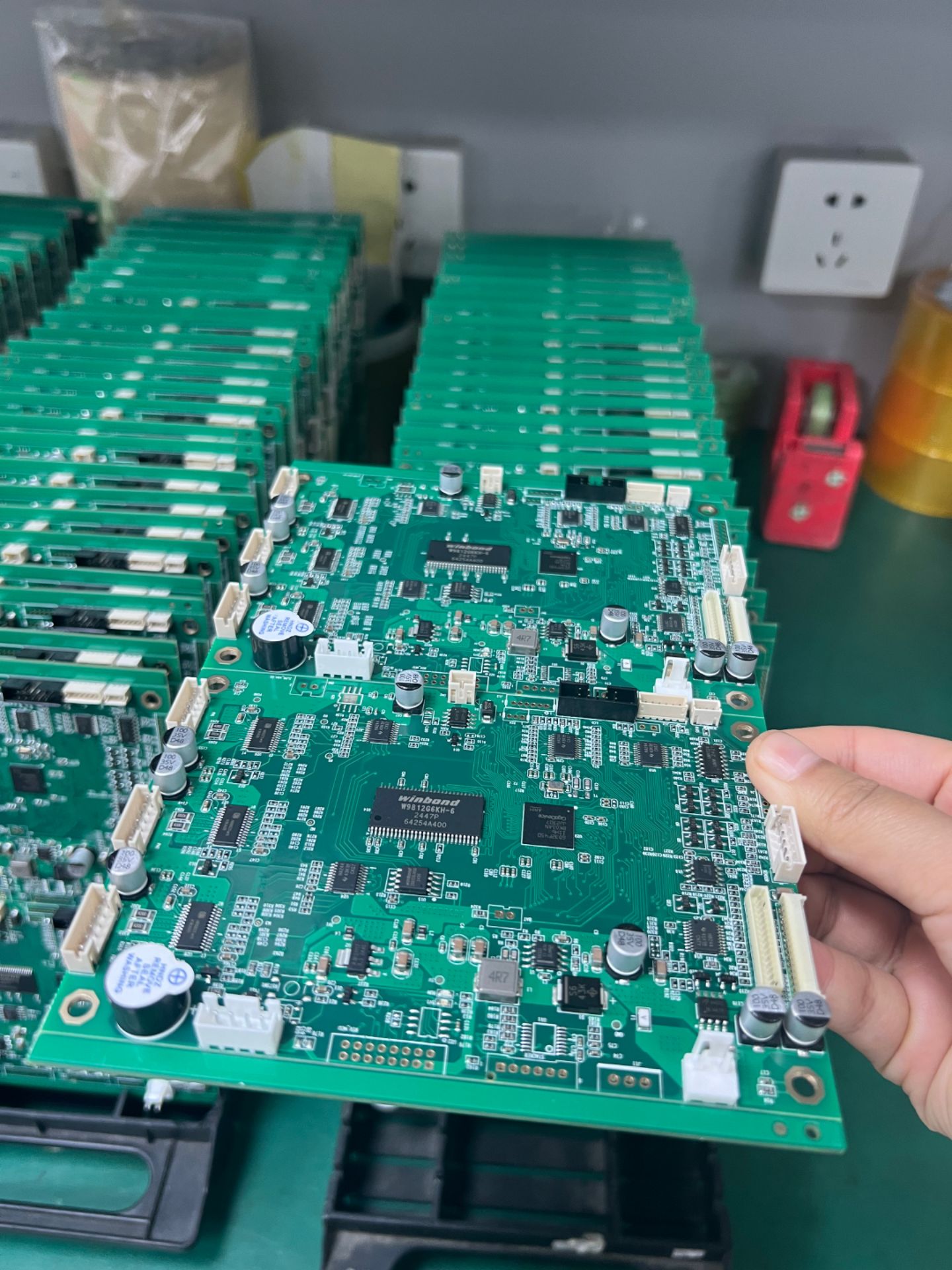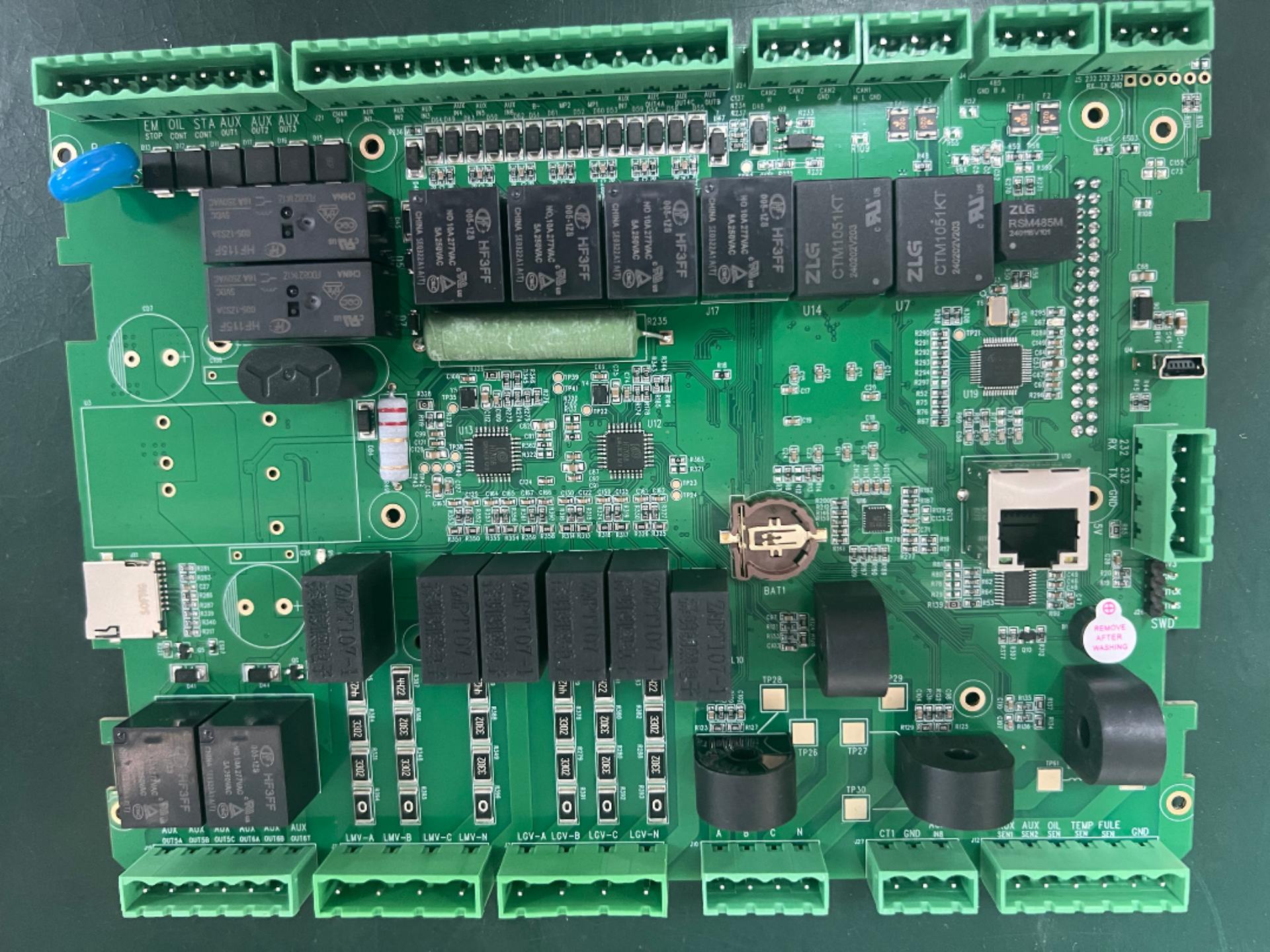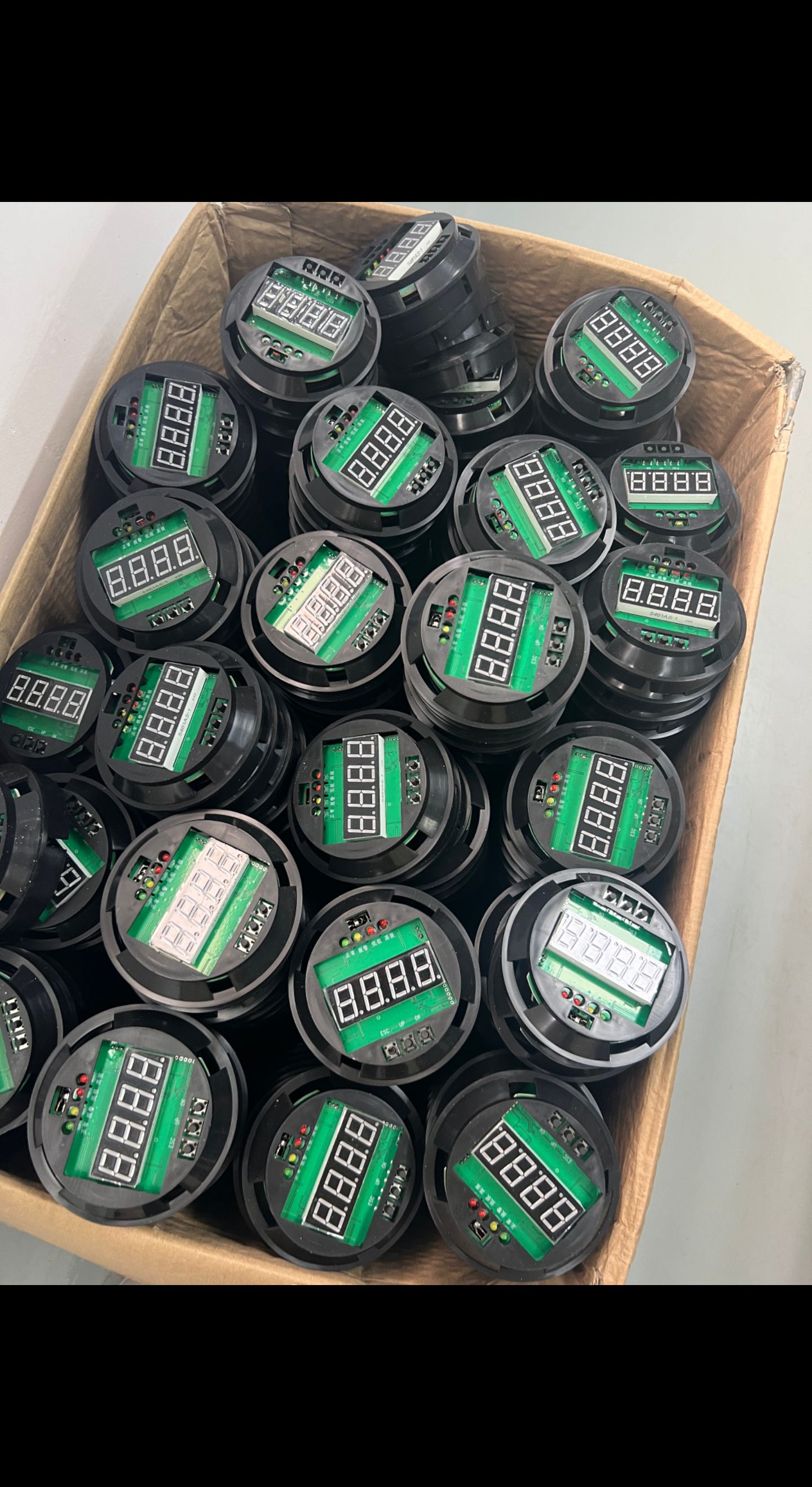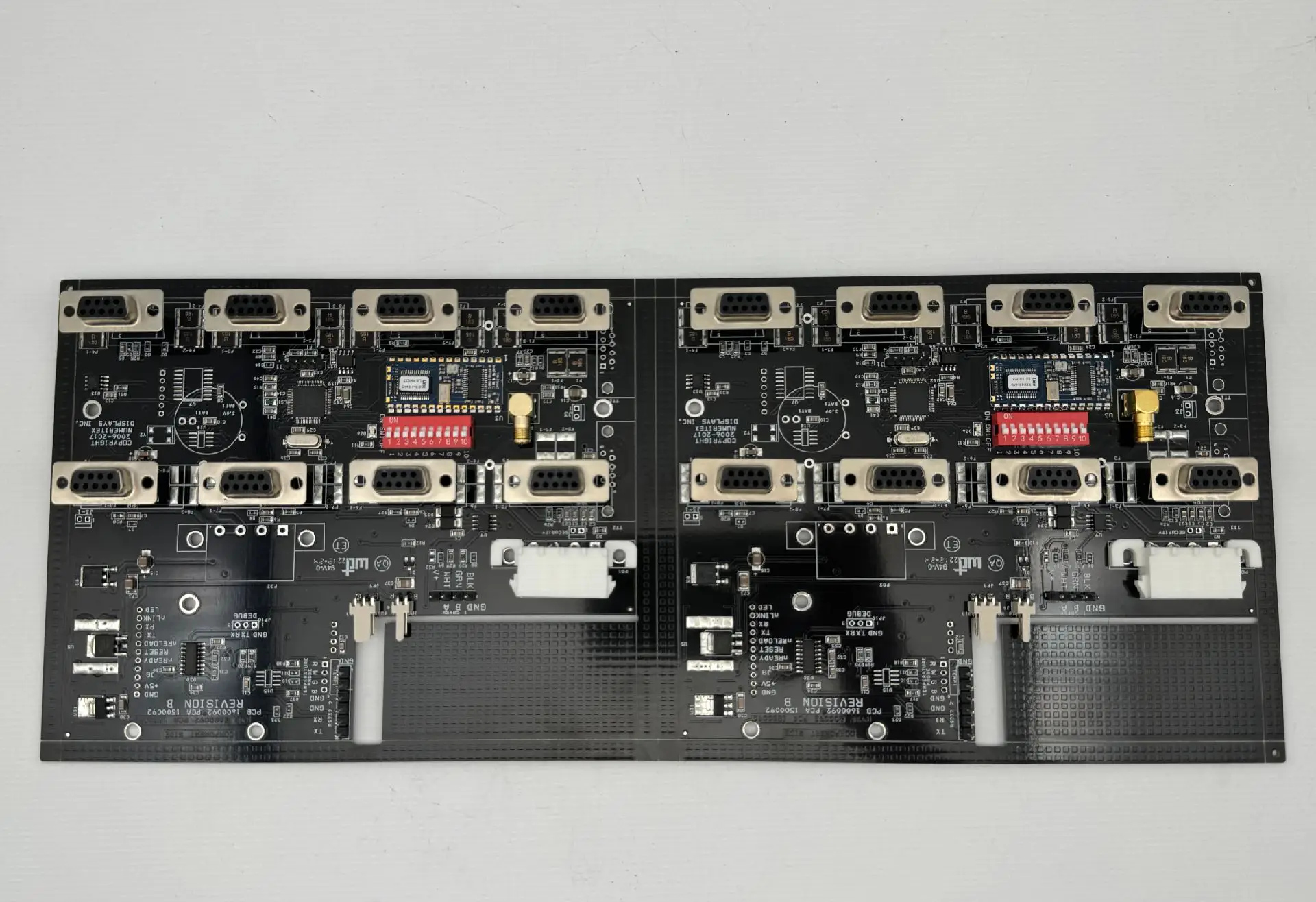
How do the white markings on a PCB (component designators, polarity indicators, logos, etc.) get applied? The answer is the fully automatic inkjet legend printer, also called a character inkjet printer.
📍 Where It Sits in the Process
It comes right after solder mask semi-curing – that is, when the green solder mask has been applied but not yet fully baked. At this stage, the printer directly jets text, graphics, symbols, QR codes, barcodes, and other markings onto the board.
⚙️ What It Does
Traditional methods require making a screen stencil first, then silk-screen printing – time-consuming and labor-intensive. The fully automatic inkjet printer completely eliminates the stencil step. Using inkjet technology and a CCD camera, it automatically captures fiducial marks on the board and precisely jets the legend into place. Immediately after printing, UV lamps pre-cure the ink, and the board then goes into the oven together with the solder mask for final curing.
Compared to traditional screen printing, this machine offers several key advantages:
· High Precision: Minimum line width down to 75 μm, producing sharp, clear characters even next to fine-pitch components.
· High Efficiency: Model changeover takes only 30 seconds with one click, no new stencil needed – ideal for high-mix, low-volume production.
· Excellent Quality: Uniform and well-filled white ink blocks with strong adhesion that can withstand reflow soldering temperatures.
· More Eco-Friendly: VOC-free ink eliminates the need for screen cleaning solvents and reduces wastewater treatment burdens.
📌 In a Nutshell
The fully automatic inkjet legend printer is the digital upgrade for PCB legend printing – it eliminates stencils, boosts efficiency, and ensures precision. It's now a standard piece of equipment in modern PCB factories.